Ordering system for restaurants: what it is and what problem it solves
Zefell
5 min read · 6 sections
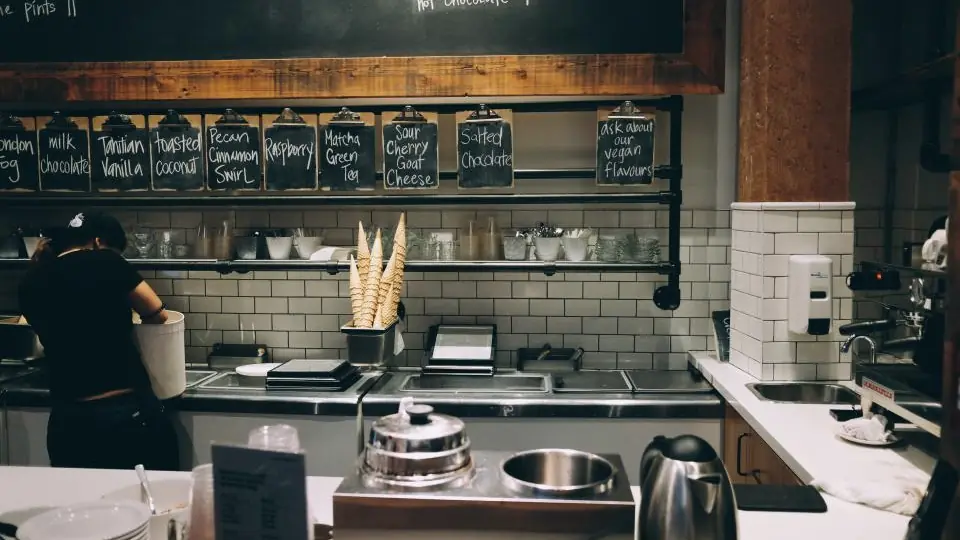
- A restaurant ordering system brings the dining room, kitchen, and sales channels together.
- If you rely on commission-based apps, it also lets you add your own ordering channel.
Every month, when the books close, a restaurant selling through DoorDash or UberEats watches part of that revenue go to commissions before it touches the business account. That is the real starting point behind the question of what a restaurant ordering system is: not technological curiosity — it is the search for a way to take orders, by table, counter, or delivery, without giving away part of each ticket to an intermediary. An ordering system organizes the operation internally (fewer errors between the table and the kitchen, fewer lost orders) and, when it includes a proprietary sales channel, also begins returning direct contact with regular customers to the restaurant.
What is a restaurant ordering system?
A restaurant ordering system is, in the most direct definition, comprehensive software that automates order taking and communication between customers, the dining room, and the kitchen. There is no single format: alternatives group according to the point of contact with the customer. Dining room and counter management allows the server to take the order from a tablet or phone and send it directly to the kitchen, bypassing paper. QR self-service lets the diner scan a code at the table, see the digital menu, and order without downloading an app. Delivery and online orders cover sales to-go or for pickup, with the restaurant's own catalog. And third-party app integration connects this system with external delivery platforms, centralizing orders from different channels in one place. What defines whether a system solves the real problem of a food service business is not how many features it has, but whether it covers the channel through which its orders actually arrive — and whether it allows adding a proprietary channel without having to abandon the one that already works.
What system do restaurants use to take orders?
There is no single system that "restaurants" use in general: the answer depends on the size of the location and the channel where most orders come in. Locations with a dining room and counter typically rely on restaurant management systems designed so the server loads the order from a tablet and the ticket goes directly to the kitchen. Those prioritizing online orders and delivery use direct ordering platforms aimed at building a proprietary commission-free channel. And businesses that already operate with enough volume to need payments, inventory, and team management in the same place tend to evaluate more complete management software options. The most useful question for a restaurant owner is not "which system does everyone else use" but "which one covers the channel that today generates the most orders — and the most headaches": if that channel is the dining room, the problem is ticket errors; if it is delivery, the problem is almost always the commission.
The problem a restaurant ordering system solves in the food service industry
Beyond the technical definition, the reason a restaurant actively searches for an ordering system almost always has a concrete economic component: delivery app commissions. DoorDash, UberEats, and Grubhub charge a commission on each order — a cost the restaurant absorbs month after month regardless of whether the business grew or not. What it does is enable a proprietary ordering channel — for example, via WhatsApp or the restaurant's own online catalog — that captures customers who today arrive through social media, word-of-mouth referral, or because they already know the place, and who currently have no way to order directly. That proprietary channel coexists with the marketplace: the restaurant does not stop being on DoorDash, but every order that comes in through the direct channel is an order without commission — and it also leaves the restaurant with the customer's contact information, whereas before only the marketplace had it.
A typical scenario: from paper tickets to a proprietary channel
The following is a representative scenario of a common situation in the food service industry — not a real client case. A neighborhood burger location with a physical store and solid delivery volume invoices a significant portion of its sales through UberEats. The owner knows it pays commission on each order, but does not have the exact number until one month running the calculation: on the month's delivery revenue, nearly a quarter went to commissions before covering ingredients, wages, and rent. At the same time, that same location receives orders through Instagram and direct messages from regular customers who order "the usual" without going through any platform — orders that today are taken manually, by message, with no system behind them. In this type of scenario, the typical implementation does not replace UberEats: it adds a proprietary ordering system (a digital catalog with a WhatsApp link, for example) that absorbs exactly those orders that were already arriving outside the marketplace but without structure. What changes is that a portion of the orders — the ones that were already direct, just informal — starts coming in through a channel with fewer errors and, above all, no commission.
Common mistakes when choosing or thinking about a restaurant ordering system
The most frequent misunderstanding is assuming that a restaurant ordering system has to replace from day one the delivery app that is already generating sales. The way a proprietary ordering system actually works is as a complement, not a replacement: it starts by capturing orders that currently have no channel — those arriving by referral or social media — while the marketplace remains intact. A second mistake is confusing "ordering system" with "FIFO system." FIFO (First In, First Out) is an inventory management principle that defines the order in which kitchen ingredients are used to prevent expiration and waste — it has no direct relation to how customer orders are taken or managed, though both terms appear together in searches about restaurant management because they are part of the same daily operation. A third mistake is choosing the system by the number of features rather than by the channel that actually generates the most orders today: adding a system designed for dining room and tables when the real problem is delivery does not solve anything — it just adds one more tool to manage.
Conclusion
A restaurant ordering system is, ultimately, any software that organizes how an order enters, is recorded, and reaches the kitchen — whether in the dining room, via QR code, or through delivery — and there are as many variants as a restaurant has sales channels. The solution is not about choosing between the marketplace and a proprietary channel — it is about adding the second without giving up the first: capturing the orders that today arrive outside the marketplace, through social media or referrals, with a system that does not charge commission per order. If your restaurant has already calculated how much it paid in commissions last month and wants to understand how to add a proprietary ordering channel without losing the volume it already has on the delivery apps, at Zefell we develop it custom — with your own online store and direct messaging ordering, no commission per sale.
Want to see how Zeftienda handles this?
Zeftienda connects your catalog, your online store and your orders in one place. We’ll show it to you running in a free demo.
Related articles
 Article
Online ordering system for restaurants: how it works and what you need to implement it
How an online ordering system for restaurants works, what you need to implement it, and why it makes sense to add it without replacing your delivery apps.
 Article
Delivery system for restaurants: how it works without depending on third-party apps
What a delivery system for restaurants is, what types exist, and how your own channel works without paying a commission on every order to DoorDash or UberEats.
 Article
Order management system for restaurants: from paper ticket to QR
Guide to restaurant order management systems: what changes when moving from a paper ticket to QR ordering, and how to migrate without disrupting service.
 Complete guide
Restaurant ordering software: comparison of essential features
We compare the essential features of restaurant ordering software: digital tickets, inventory, invoicing, and a proprietary channel without commission per sale.
Frequently asked questions
Straight answers about ordering system for restaurants.
There is no single system: it depends on the channel where the restaurant receives the most orders. Locations with a dining room and counter typically use restaurant management solutions where the server loads the order from a tablet and it goes directly to the kitchen. Those prioritizing delivery and online orders use direct ordering platforms designed to build a proprietary commission-free channel. Higher-volume businesses tend to evaluate more complete POS systems that manage payments, inventory, and team alongside orders. The right choice depends on which channel currently generates the most orders and the most operational friction — not on which system is "most used" in general.
There is no single generic name: there are restaurant management systems for order and dining room management, as well as commission-free online and delivery ordering platforms. More complete POS systems integrate orders, payments, and inventory in a single platform. More than a specific name, what defines these systems is the function they fulfill: automating order taking and communication between the customer, the dining room, and the kitchen — whatever vendor is chosen.
FIFO (First In, First Out) is a kitchen inventory management principle: the ingredients that entered the storage or refrigerator first are the first to be used, to prevent fresh products from expiring or going to waste. It is a stock control concept, distinct from an ordering system — which manages how customer orders are taken and communicated — though both often appear together in searches about restaurant management because they are part of the same daily operation.

30 minutes. No commitment.
Schedule your free diagnostic.
We'll pinpoint exactly where your business is losing time, capacity, and operating margin, even if we never work together.
Schedule a free diagnostic